Lingnan Culture
Introduction
Lingnan culture, a vibrant and influential cultural tradition in Southern China, primarily encompasses the regions of Guangdong, Guangxi Zhuang autonomous region, Hong Kong and Macao. This culture is distinguished by its unique blend of indigenous practices and influences from various dynasties, particularly the Qin and Han, as well as external interactions via trade and cultural exchanges. Lingnan culture, known for its openness and inclusivity, has developed distinctive characteristics in architecture, art, cuisine, traditional crafts, and music, making it a significant cultural heritage in China.
Geographic and Historical Context
Lingnan, meaning "south of the Nanling Mountains," refers to the geographical area in Southern China, encompassing Guangdong, Guangxi, and parts of Fujian and Hainan. This region has historically served as a crossroads of cultural and economic exchanges, due in part to its strategic location along the Maritime Silk Road. The historical context of Lingnan culture is rooted in its early interactions with Northern Chinese influences during the Qin and Han dynasties, which set the foundation for its distinct cultural identity.
Guangdong province, often considered the heart of Lingnan culture, played a crucial role in China's reform and opening-up policy, further enhancing its cultural prominence. The region's historical significance is highlighted by the discovery of numerous archaeological findings, including the Nanyue Kingdom's Palace in Guangzhou, which underscore its rich cultural past. Lingnan culture has evolved through centuries of interactions with various ethnic groups and foreign cultures, resulting in a unique cultural tapestry that blends Chinese traditions with global influences.
Architectural and Artistic Achievements
Lingnan architecture is renowned for its distinctive style, characterized by Cantonese-style buildings that feature intricate wood carvings, decorative elements from Chinese folk tales, and multi-layered structures designed to withstand the humid climate of Southern China. The architectural heritage of Lingnan is exemplified by structures such as the Panyu shrine, a significant cultural relic showcasing exquisite craftsmanship. This shrine, along with other Lingnan-style structures, embodies the harmonious integration of functional and aesthetic elements in traditional Lingnan architecture.
In the realm of art, the Lingnan school of painting emerged in the early 20th century as a revolutionary style that combined Western art techniques with traditional Chinese ink painting. This school introduced innovations in perspective, composition, and the use of light and shadow, which allowed artists to capture the vibrant colors and dynamic landscapes of Southern China. Influential artists expanded this artistic lineage, contributing to the development of the Lingnan River-town school, further enriching the region's artistic heritage.
Cuisine and Culinary Traditions
Lingnan cuisine, commonly referred to as Cantonese cuisine, is one of the most celebrated culinary traditions in China. It is characterized by its emphasis on fresh ingredients, balanced flavors, and meticulous preparation techniques. The region's subtropical climate and access to diverse ingredients from both land and sea have contributed to the development of a rich culinary repertoire.
Cantonese cuisine is known for its signature dishes such as dim sum, roasted meats like char siu and duck, and a variety of seafood delicacies. The tradition of morning tea, or yum cha, is an integral part of Lingnan culinary culture, where a wide selection of small dishes is served with tea, allowing diners to enjoy a leisurely meal with family and friends. The culinary arts in Lingnan also encompass traditional practices such as Chaozhou Kung Fu tea art, which highlights the refined techniques and cultural significance of tea drinking in the region.
Performing Arts and Traditional Crafts
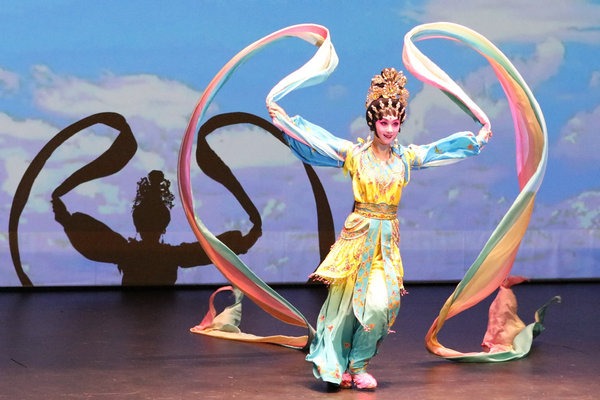
The performing arts in Lingnan culture are diverse and vibrant, reflecting the region's rich cultural history. Cantonese opera, a traditional form of Chinese opera, is a quintessential expression of Lingnan culture, combining music, singing, martial arts, and acting to convey stories deeply rooted in local folklore and history. Other traditional performances include lion dances and folk songs, which are often showcased in cultural events and festivals.
Lingnan is also renowned for its traditional crafts, which include exquisite embroidery, Canton Porcelain, and the art of Dongguan agarwood incense. These crafts are not only valued for their artistic merit but also for their cultural significance, as they have been passed down through generations and continue to play a vital role in the cultural identity of the region.
Music and Cultural Exchange
Music is a key element of Lingnan culture, with traditional instruments like the Guqin playing a significant role in the region's musical heritage. The Lingnan school of Guqin art is a prominent representation of the region's musical tradition, emphasizing the unique techniques and expressive potential of this ancient instrument.
Lingnan culture has also been a focal point for cultural exchange, both within China and internationally. Events such as cultural exhibitions and performances have facilitated exchanges and mutual learning between Lingnan and other cultures, enhancing the understanding of its diverse cultural heritage. This ongoing cultural exchange is instrumental in promoting Lingnan culture on the global stage, highlighting its significance as a bridge between Chinese traditions and international cultural influences. The Guangdong-Hong Kong-Macao Greater Bay Area initiative further underscores the region's role in fostering cultural and economic collaboration, enhancing its status as a vibrant cultural hub in Southern China.








